
The average home built in Scottsdale before 2015 has somewhere between 4 and 7 inches of blown insulation in the attic. That gets you to roughly R-15 to R-22. Energy Star recommends R-38 as the minimum for this climate zone, and R-49 when you are starting from scratch or near scratch.
That gap, from where most homes are to where they need to be, is the primary reason why rooms stay hot, AC systems run constantly, and energy bills keep climbing every summer. It is not the HVAC. It is not the windows. It is the attic.
Blown-in fiberglass insulation is the most efficient and cost-effective way to close that gap. It covers irregular joists, fills around obstructions, and reaches consistent depth across the full attic floor in a way that batt insulation simply cannot match. When installed to the right R-value and paired with proper air sealing, it is one of the best investments a Scottsdale homeowner can make.
At Foam Pro Insulation, we install blown-in fiberglass using Knauf insulation, one of the most trusted brands in the industry. We document depth with photos, match every install to the Energy Star target for your home, and pair the job with air sealing whenever the attic needs it. Free inspections are included before any work begins.
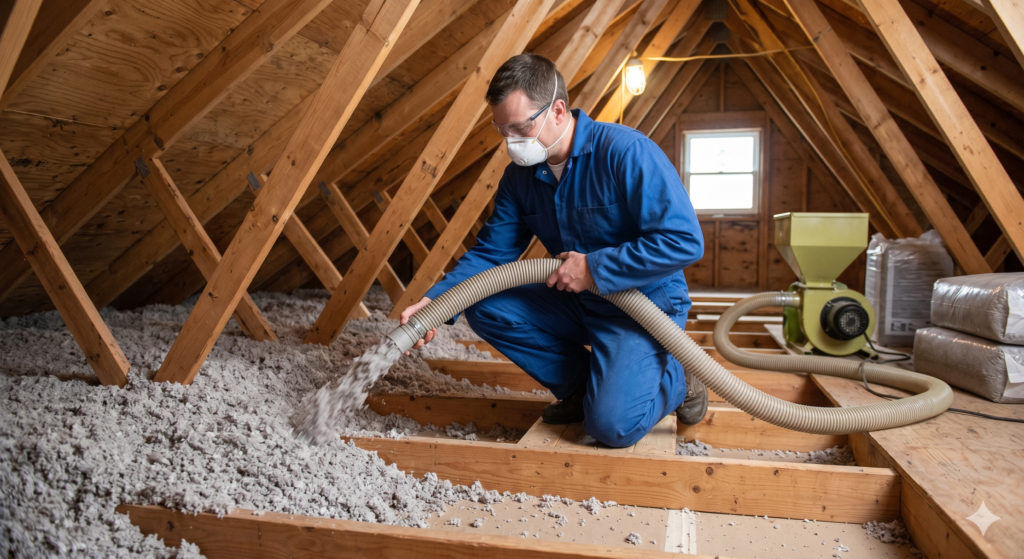
Not every insulation type performs equally in a desert climate. Here is why blown-in fiberglass is the right fit for most Scottsdale attics:
Blown fiberglass fills around joists, pipes, wiring, and framing members without gaps or voids. Batt insulation leaves open spaces around obstructions that become thermal weak points.
Because it is blown in by machine, the material settles evenly across the entire attic floor. There are no compressed sections, no missed corners, and no edges that fall short of the target depth.
Knauf blown fiberglass maintains its installed thickness and R-value over time. It does not compress under its own weight the way older cellulose products can.
No odors, no off-gassing, no adhesives. Knauf fiberglass is manufactured to strict standards and carries technical data documentation that we include with every job.
Blown-in fiberglass works best when the attic floor has been air sealed first. That is how we build every retrofit job, because insulation without air sealing underperforms from day one.
Blown-in fiberglass installed to qualifying R-values is eligible for utility rebate programs in Arizona when combined with air sealing through a participating contractor.
Every blown-in insulation job follows the same sequence. There are no shortcuts, and we do not skip steps to save time.
Before any work begins, we come out at no cost and inspect your attic. We measure existing insulation depth at multiple points, check for contamination or damage, identify air bypass points, and use thermal tools to find where heat is entering. You get a clear picture of your attic's actual condition before you commit to anything.
If your existing insulation is contaminated, damaged, or needs to come out to allow proper air sealing, we handle removal first at $1.20 per square foot. This step gives us a clean attic floor to work from and ensures nothing gets buried under new material that should not be there.
Before blown fiberglass goes down, we seal every penetration in the attic floor. Can lights, top plates, plumbing stacks, duct boots, electrical runs. This is the step most insulation jobs skip. We do not skip it because insulation without air sealing consistently underperforms its rated R-value.
With the attic floor clean and sealed, we install Knauf blown fiberglass to your specified R-value. Depth is confirmed with measurement markers and documented with photos before we leave. You have a physical record of what was installed.
We walk you through the completed job before we leave. You see the before-and-after photos, get confirmation of installed depth, and receive the written summary of materials used. If rebate documentation is needed, we help prepare it.
Important:
We only perform air sealing after insulation removal. This isn't arbitrary it's the only way to guarantee thorough, effective work. Sealing on top of existing insulation means missing critical bypasses and wasting your money.
We believe you should know exactly what you're paying for—before any work begins.
That's why Foam Pro publishes straightforward pricing for our core services:
Important Pricing Note: All estimates assume full attic access. Final pricing is confirmed during your free in-person inspection because every home is different, and we won't quote work we haven't seen.
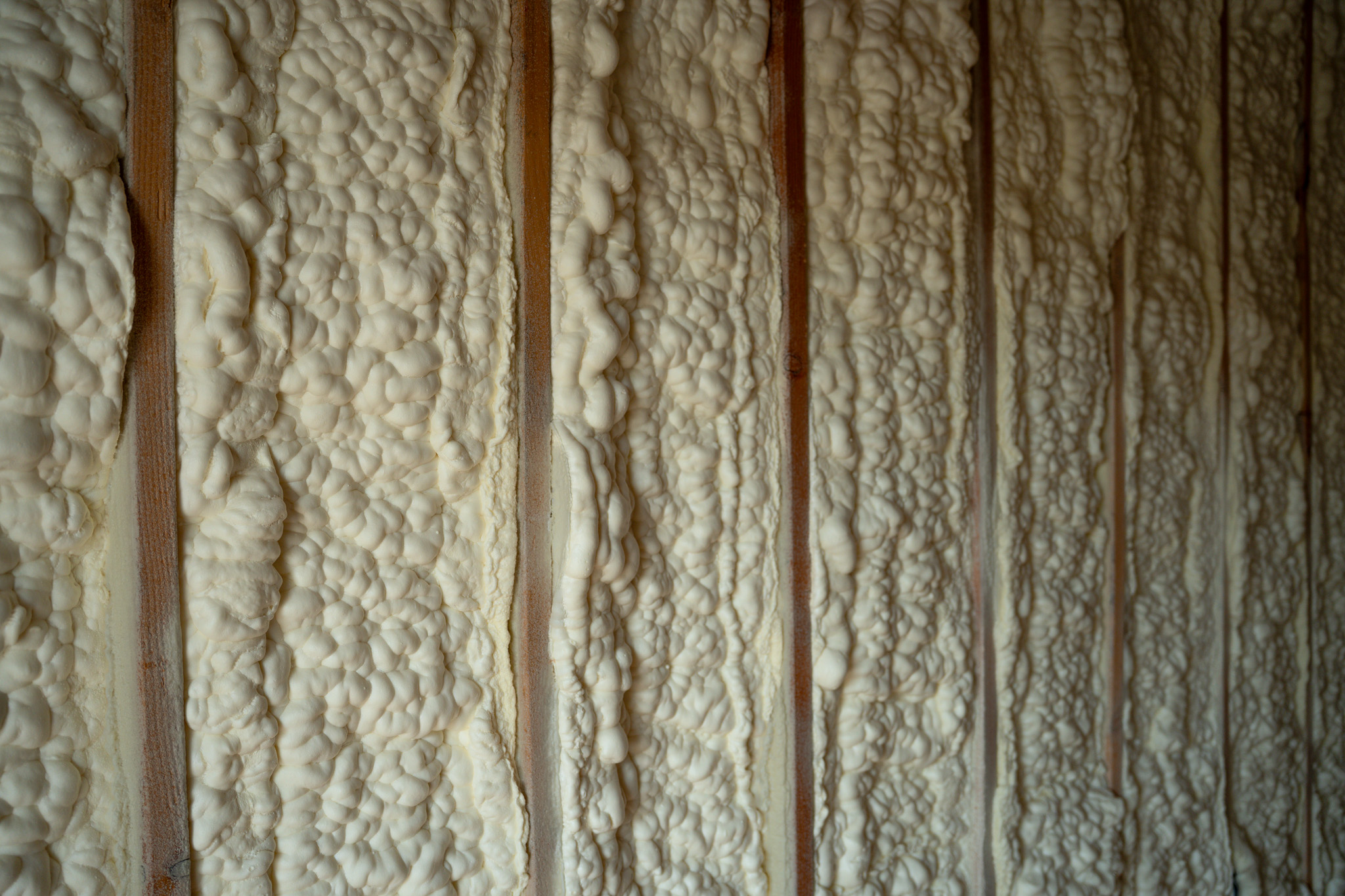
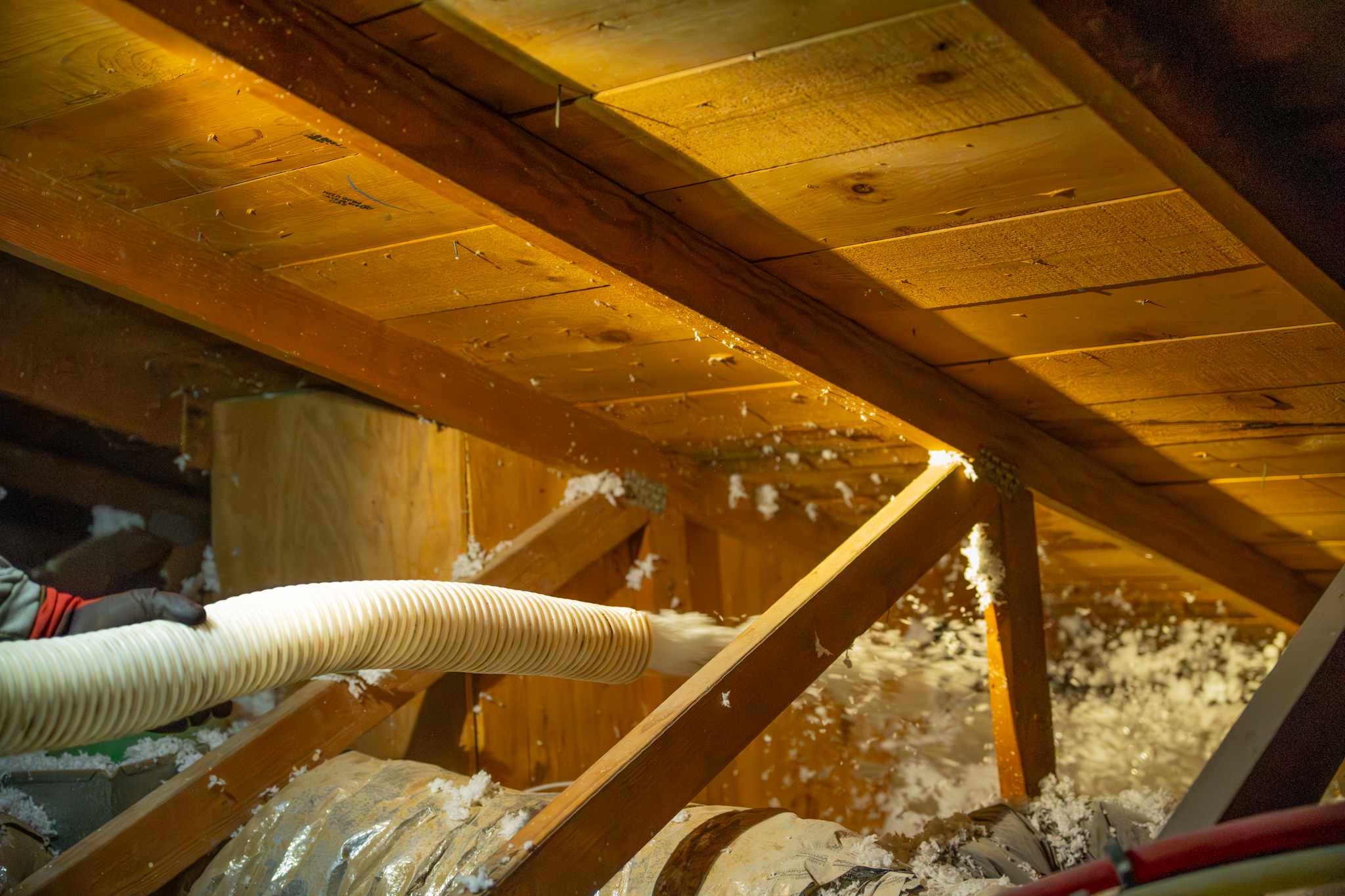
Your attic shouldn’t be working against you. Schedule your free attic inspection with Foam Pro Insulation today—we’ll assess your penetrations, measure your current insulation, take thermal readings, and give you clear options with transparent pricing.
No pressure. No games. Just honest answers from a local, family-owned team.