
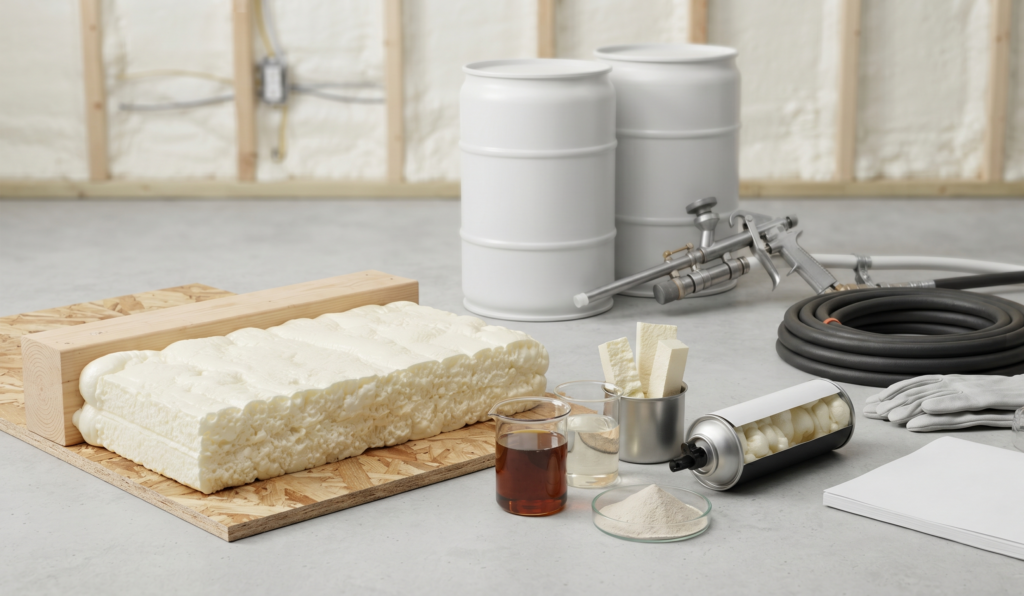
Spray foam insulation has emerged as a leading solution for homeowners in Phoenix seeking to enhance energy efficiency and indoor comfort. This innovative insulation type not only provides superior thermal resistance but also significantly reduces energy costs. In this article, we will explore the key benefits of spray foam insulation, particularly in the unique desert climate of Phoenix. Homeowners often face challenges with energy bills and indoor comfort, especially during extreme temperatures. Spray foam insulation offers a practical solution by improving energy efficiency and comfort levels. We will delve into the various types of spray foam insulation, how homeowners can maximize their energy savings, and the financial aspects, including costs and available incentives.
What Are the Key Benefits of Spray Foam Insulation for Phoenix Homes?
Spray foam insulation offers several advantages that make it particularly suitable for homes in Phoenix. One of the primary benefits is its ability to provide exceptional energy savings. By creating an airtight seal, spray foam insulation minimizes air leaks, which can lead to significant reductions in heating and cooling costs. Additionally, it enhances indoor comfort by maintaining consistent temperatures throughout the home. Another critical advantage is its mold resistance, which is essential in the summer months. This insulation type not only protects the home from moisture but also contributes to better indoor air quality.
Foam Pro Insulation AZ LLC specializes in spray foam insulation services tailored for Phoenix homes, focusing on enhancing energy efficiency and indoor comfort. They offer free consultations and inspections to assess home insulation needs, ensuring homeowners receive the best solutions for their specific situations. Improving your home’s insulation is a crucial step towards better energy management, and understanding its impact can lead to significant savings. For homeowners looking to tackle air leaks, air sealing in Phoenix is a fundamental component of any effective energy efficiency strategy.
How Does Spray Foam Improve Energy Efficiency in Desert Climates?
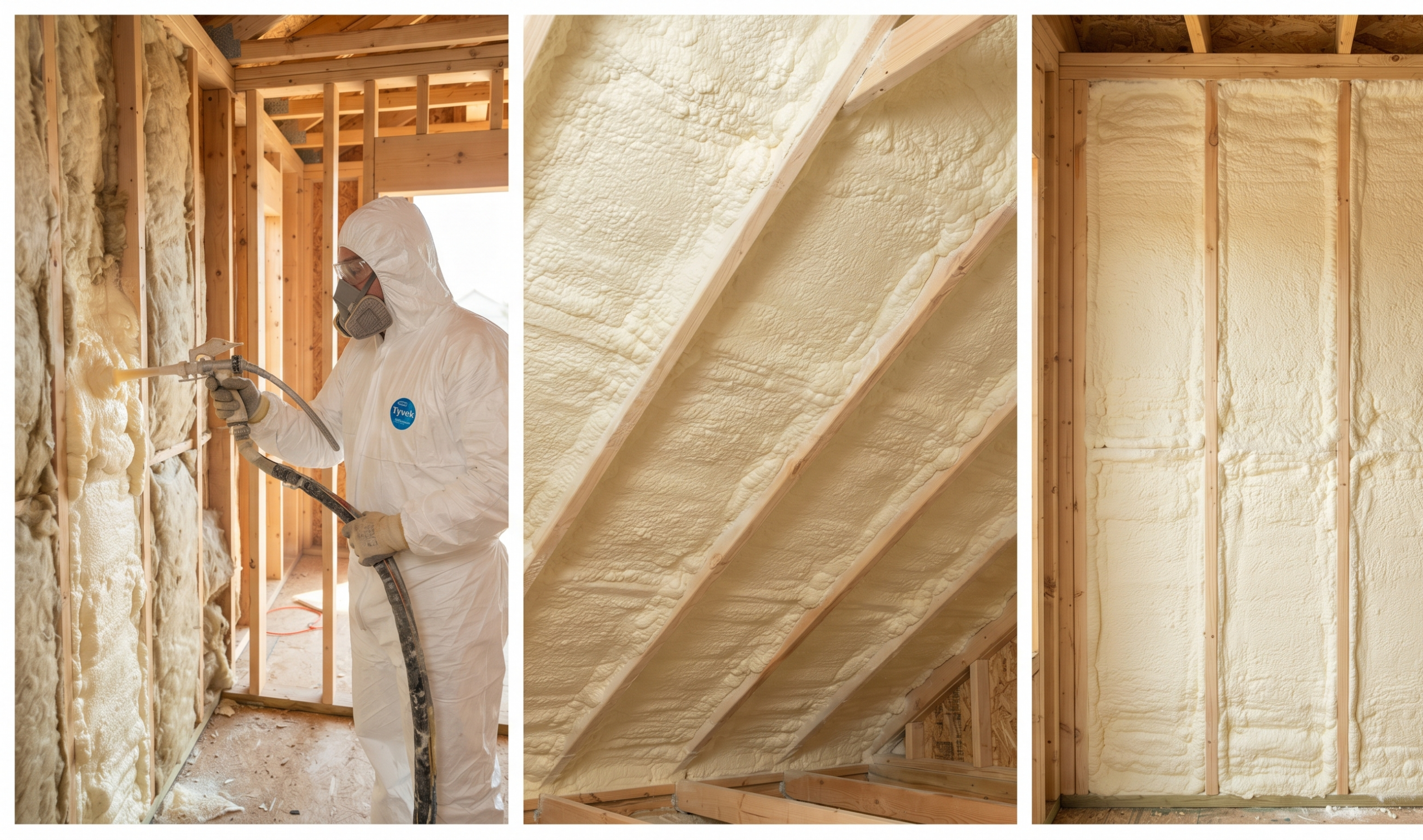
Spray foam insulation improves energy efficiency in desert climates by providing superior air sealing properties and thermal resistance. The unique composition of spray foam allows it to expand upon application, filling gaps and cracks that traditional insulation may miss. This expansion creates a tight seal that prevents conditioned air from escaping, which is crucial in a climate where temperatures can soar. As a result, homeowners experience lower cooling costs, as their HVAC systems do not have to work as hard to maintain comfortable indoor temperatures.
What Comfort and Mold Resistance Advantages Does Spray Foam Provide?
In addition to energy savings, spray foam insulation significantly enhances comfort levels within the home. By reducing drafts and maintaining consistent temperatures, homeowners can enjoy a more pleasant living environment. Furthermore, spray foam’s ability to control humidity levels helps prevent mold growth, which is particularly important in Phoenix’s fluctuating climate. Studies have shown that homes insulated with spray foam experience fewer issues related to mold and mildew, contributing to healthier indoor air quality.
Which Types of Spray Foam Insulation Are Best Suited for Arizona Homes?
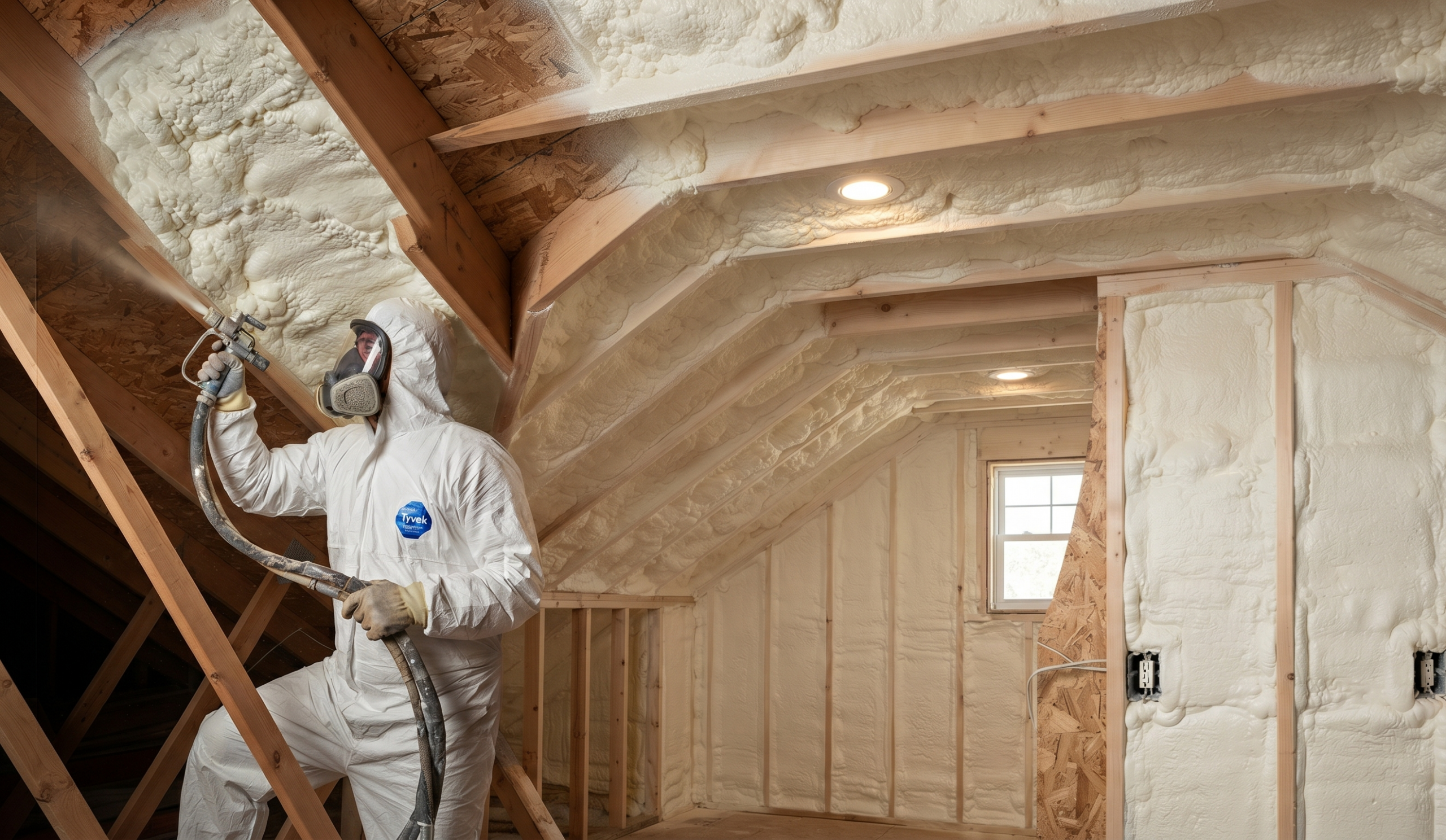
When considering spray foam insulation for Arizona homes, it is essential to understand the differences between open cell and closed cell spray foam. Each type has unique properties that make it suitable for specific applications. Open cell spray foam is lighter and more flexible, making it ideal for interior applications where soundproofing is a priority. In contrast, closed cell spray foam is denser and provides a higher R-value, making it more effective for exterior applications and areas prone to moisture.
What Are the Differences Between Open Cell and Closed Cell Spray Foam?
The primary differences between open cell and closed cell spray foam lie in their density, R-value, and applications. Open cell spray foam has an R-value of approximately 3.5 per inch, while closed cell spray foam can achieve an R-value of 6 to 7 per inch. This means that closed cell foam provides better insulation and moisture resistance, making it suitable for areas exposed to the elements. Additionally, closed cell foam can act as a vapor barrier, further protecting homes from moisture intrusion.
Type of Spray Foam | R-Value per Inch | Best Applications | Moisture Resistance |
Open Cell | 3.5 | Interior walls | Low |
Closed Cell | 6-7 | Exterior walls | High |
This comparison highlights the importance of selecting the right type of spray foam insulation based on specific needs and environmental conditions.
How Do R-Values Compare Among Home Insulation Types in Phoenix?
R-value is a critical factor in determining the effectiveness of insulation. In Phoenix, where temperatures can vary dramatically, understanding how R-values compare among different insulation types is essential. Spray foam insulation typically offers higher R-values than traditional fiberglass insulation, making it a more efficient choice for energy savings. For instance, while fiberglass insulation may have an R-value of around 2.9 to 4.3 per inch, spray foam insulation can significantly outperform it, leading to better thermal performance and lower energy costs.
Insulation Type | R-Value per Inch | Typical Use |
Fiberglass | 2.9 – 4.3 | Attics, walls |
Spray Foam (Open) | 3.5 | Interior walls |
Spray Foam (Closed) | 6-7 | Exterior walls |
This table illustrates the advantages of spray foam insulation in terms of R-value, emphasizing its effectiveness in the Phoenix climate.
How Can Phoenix Homeowners Maximize Energy Savings with Spray Foam and Air Sealing?
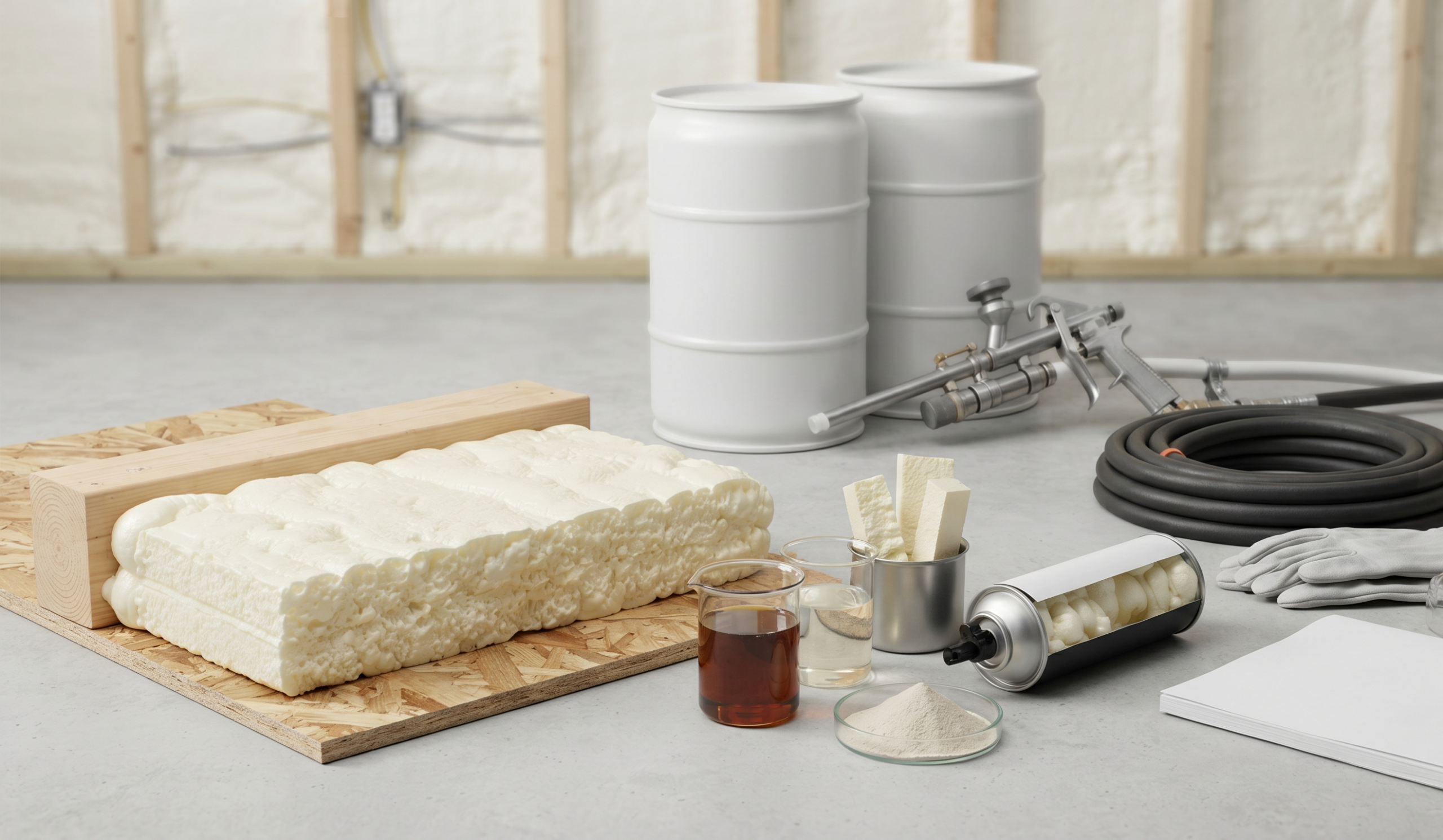
To maximize energy savings, Phoenix homeowners should consider combining spray foam insulation with effective air sealing techniques. Air sealing plays a crucial role in reducing energy bills by preventing air leaks that can undermine the effectiveness of insulation. By sealing gaps around windows, doors, and other penetrations, homeowners can enhance the performance of their insulation and achieve greater energy efficiency.
What Role Does Air Sealing Play in Reducing Energy Bills?
Air sealing is essential for reducing energy bills, as it directly impacts the amount of conditioned air that escapes from the home. By addressing common air leaks, homeowners can improve the overall efficiency of their HVAC systems. Research indicates that homes with proper air sealing can save up to 20% on heating and cooling costs. This significant reduction in energy expenses highlights the importance of integrating air sealing with insulation strategies.
How Do Local Climate Factors Influence Insulation Effectiveness?
Local climate factors, such as temperature fluctuations and humidity levels, play a vital role in determining insulation effectiveness. In Phoenix, where the climate is characterized by extreme heat and occasional humidity, selecting the right insulation type is crucial. Spray foam insulation’s ability to provide a tight seal and resist moisture makes it particularly effective in this environment. Homeowners should consider these factors when planning their insulation projects to ensure optimal performance.
What Are the Costs, ROI, and Incentives for Spray Foam Insulation in Phoenix?
Understanding the costs associated with spray foam insulation is essential for homeowners considering this investment. While the initial installation cost may be higher than traditional insulation options, the long-term energy savings can provide a substantial return on investment (ROI). Homeowners can expect to see a reduction in energy bills, often recouping their investment within a few years.
How Much Does Spray Foam Insulation Cost in Phoenix?
The cost of spray foam insulation in Phoenix can vary based on several factors, including the size of the area being insulated and the type of spray foam used. On average, homeowners can expect to pay between $1.00 to $3.00 per square foot for installation. This price range reflects the quality and effectiveness of spray foam insulation compared to traditional options.
What Arizona Rebates and Incentives Are Available for Energy Efficient Insulation?
Arizona offers various rebates and incentives for homeowners who invest in energy-efficient insulation solutions. These programs can help offset the initial costs of installation, making spray foam insulation more accessible. Homeowners should research available state and federal incentives to maximize their savings and enhance their home’s energy efficiency.
Incentive Type | Description | Potential Savings |
State Rebate | Rebates for energy-efficient upgrades | Up to $500 |
Federal Tax Credit | Tax credits for insulation projects | Varies |
Utility Company Incentives | Discounts for energy-saving improvements | Varies |
This table summarizes the available incentives, providing homeowners with a clear understanding of potential savings when investing in spray foam insulation.